
A luxury home buying checklist is the structured framework affluent buyers use to manage the financial, legal, and physical complexity of purchasing a high-end property. Unlike a standard home purchase, buying at the luxury level involves jumbo financing, multi-disciplinary inspections, off-market access, and legal ownership structures that most buyers encounter for the first time. Skipping any one of these steps can cost tens of thousands of dollars or kill a deal entirely. Stu Harvey brings 15+ years of real estate experience and 250+ personal career transactions to his work with buyers and sellers. This guide outlines key planning and due-diligence steps to review with your transaction team.
1. How to secure luxury home financing first
Financing is the first item on any serious luxury home buyer checklist because it determines what you can buy and how credibly you can compete. Jumbo loans require down payments of 20%–30% and higher credit score thresholds than conventional mortgages. That means a $3 million purchase requires $600,000–$900,000 in cash at closing before any other costs.
Elite lenders also demand extensive documentation: two years of tax returns, business financials if you are self-employed, proof of liquid reserves, and sometimes a letter from a CPA. Getting this paperwork organized before you start touring homes is not optional. Sellers in the luxury market will not take an offer seriously without a pre-approval letter or proof of funds in hand.
-
Confirm your credit score is above the lender’s threshold before applying
-
Gather two years of tax returns, W-2s, and bank statements
-
Request a pre-approval letter that specifies the loan amount and type
-
Prepare a proof-of-funds letter for any cash portion of the transaction
-
Ask your lender about rate lock options given that luxury closings typically exceed 30–45 days
Pro Tip: Work with a lender who specializes in jumbo products. Standard mortgage brokers often lack the underwriting relationships needed to close complex luxury deals on time.
2. Finding exclusive and off-market luxury listings

The best luxury properties rarely appear on public listing platforms. Specialized luxury agents provide access to off-market pocket listings that are never publicly advertised. These properties exist within curated professional networks, and sellers choose this route specifically to avoid public exposure.
Working with an agent embedded in elite local networks is the single most effective way to access these homes. In markets like La Jolla and Rancho Santa Fe, a meaningful share of transactions happen before a property ever hits the MLS. Stuharveyestates operates directly within these networks, which is why buyers working with Stu see properties that others simply never find.
“The most competitive luxury buyers are not searching portals. They are working agents who know what is coming before it is listed.” — Stuharveyestates
Privacy also drives how these deals are structured. Sellers often require buyers to sign a non-disclosure agreement before viewing a property or receiving pricing details. Buyers who resist this step lose access immediately.
-
Commit to one specialized luxury agent rather than working with multiple generalists
-
Sign NDAs promptly when requested to maintain access to private listings
-
Ask your agent specifically about off-market property access in your target neighborhoods
-
Monitor your agent’s network activity, not just MLS alerts
3. Conducting specialized inspections during due diligence
Standard home inspections are not sufficient for luxury properties. Luxury homes require multi-disciplinary inspection teams covering structural engineering, HVAC systems, roofing, pools, security infrastructure, and geotechnical conditions. Each specialist costs $500–$2,000, and you need several of them.
The due diligence period is short. Top inspectors in competitive markets book out days in advance, so scheduling inspections within the first 1–3 days of the due diligence period is critical. Waiting until day five or six compresses your review time and forces rushed decisions.
The financial stakes are real. Missed specialized inspections on a $2 million-plus property can easily generate $50,000 or more in unforeseen repair costs. That number climbs fast when structural issues, aging HVAC systems, or pool equipment failures are discovered after closing.
-
Hire a licensed structural engineer for foundation and load-bearing assessments
-
Schedule HVAC inspection separately from the general home inspection
-
Book a roofing specialist, especially for flat or complex roof designs
-
Order a pool and spa inspection if applicable
-
Commission a termite and pest inspection
-
Request a radon test, particularly for properties with basements or lower levels
-
Verify geotechnical conditions for hillside or coastal properties
| Inspection Type | Typical Cost | Why It Matters |
|---|---|---|
| Structural engineering | $800–$2,000 | Identifies foundation and load issues |
| HVAC specialist | $500–$1,200 | Flags aging or undersized systems |
| Roofing specialist | $500–$1,000 | Detects leaks and material failures |
| Pool and spa | $500–$800 | Reveals equipment and structural defects |
| Radon testing | $150–$500 | Required in many states for health compliance |
Pro Tip: Book your inspectors the same day your offer is accepted. Do not wait for the ink to dry. The best specialists fill their calendars fast.
4. Checking permits and property records
Many luxury homes contain unpermitted historical remodels that create serious problems for insurance coverage and future resale. A beautifully finished basement or a guest house addition may have been built without county approval. You will not know unless you check.
Your agent or real estate attorney should pull the county permit records and compare them against the actual property condition. Discrepancies between what is permitted and what exists on the property can trigger insurance denials, lender objections, or forced demolition orders. Resolving these issues before closing protects you from inheriting the seller’s compliance problems.
This step also applies to zoning. Confirm that the property’s current use, whether it includes a guest unit, a home office, or a short-term rental, is legally permitted under local zoning codes. A real estate attorney should review all permit and zoning documentation before you remove contingencies.
5. Negotiation strategies beyond price
Price is rarely the only factor a luxury seller weighs. Sellers evaluate financing strength, closing timeline flexibility, and buyer reliability when choosing between competing offers. A cleaner, simpler offer can outperform a higher bid that comes with conditions and complexity.
Understanding what the seller actually wants gives you a real negotiation edge. Some sellers need a long escrow to find their next home. Others want a fast close. Some are attached to specific furnishings or want to leave art installations in place. Knowing these priorities before you submit an offer lets you structure terms that win without overpaying.
-
Lead with financing strength: a pre-approval letter from a recognized jumbo lender signals credibility
-
Offer closing timeline flexibility when the seller’s situation allows for it
-
Include concessions on furnishings, occupancy dates, or repair credits to simplify the deal
-
Minimize contingencies where your due diligence supports doing so
-
Avoid complex escalation clauses that signal inexperience or desperation
Effective luxury negotiation focuses on terms as much as price. Buyers who understand this close more deals at better values than those who simply bid higher.
6. Privacy, ownership structure, and post-closing steps
LLCs and trusts are standard ownership structures for luxury buyers who want to maintain anonymity and limit personal liability. Purchasing through a legal entity keeps your name off public property records and separates the asset from your personal balance sheet. This matters for both privacy and estate planning.
Set up your ownership structure before you make an offer. Changing the ownership entity after closing is possible but expensive and time-consuming. Your real estate attorney and tax advisor should align on the structure before you sign anything.
Post-closing steps are just as important as the purchase itself. Here is what belongs on your luxury home walkthrough checklist for closing day and the week after:
-
Change all locks and access codes on closing day, including garage and gate systems
-
Transfer utilities and service accounts into the new entity’s name
-
Confirm homeowner’s insurance is active before you take possession
-
Review HOA rules and fee schedules if the property is within a managed community
-
Verify that all personal property included in the sale is present and accounted for
-
Schedule a final walkthrough within 24 hours of closing to confirm property condition
Key takeaways
A successful luxury home purchase depends on financial preparation, specialized inspections, and legal ownership structures working together from the first offer to closing day.
| Point | Details |
|---|---|
| Secure financing early | Jumbo loans require 20%–30% down and extensive documentation before any offer. |
| Access off-market listings | Specialized agents with elite networks find properties that never reach public platforms. |
| Book inspectors immediately | Schedule all specialists within the first 1–3 days of due diligence to avoid costly gaps. |
| Negotiate on terms, not just price | Sellers weigh financing strength and closing flexibility as heavily as the offer amount. |
| Structure ownership before closing | Set up an LLC or trust with legal and tax counsel before signing any purchase agreement. |
What 15 years in luxury real estate actually taught me
Most buyers come to me focused on the property. They have a wish list, a budget, and a vision. What they rarely have is a clear picture of the process. That gap is where deals fall apart.
The single most common mistake I see is treating a luxury purchase like a scaled-up version of a standard home buy. It is not. The financing is different, the inspections are different, the negotiation dynamics are different, and the legal considerations are different. Buyers who approach it with a standard mindset get surprised, and surprises at this price point are expensive.
The second thing I have learned is that patience in the inspection phase pays off every time. I have seen buyers rush through due diligence because they were emotionally attached to a property. They skipped the structural engineer or delayed the HVAC specialist. In more than one case, that decision cost them far more than the inspection would have. Discipline during due diligence is not caution. It is intelligence.
Off-market access is also more valuable than most buyers realize until they have missed a property because of it. The San Diego luxury market in 2026 moves fast, and the best homes in La Jolla and Rancho Santa Fe often close before they are ever publicly listed. Being connected to the right agent is not a convenience. It is a competitive requirement.
— Stu
Stuharveyestates: your guide to Southern California luxury homes
Stu Harvey’s personal career includes 250+ transactions and 15+ years of real estate experience. Whether you are navigating jumbo financing for the first time or looking for off-market properties in La Jolla, the Stuharveyestates team provides the access and guidance that sophisticated buyers need.
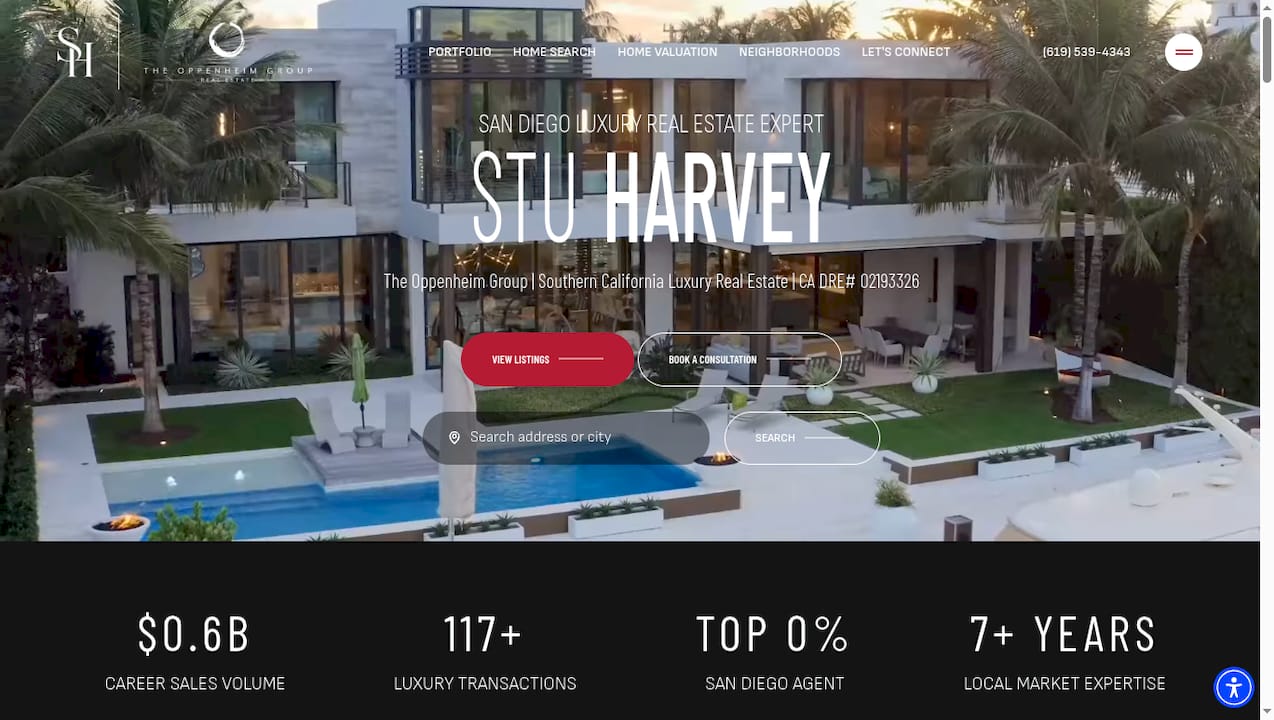
Stuharveyestates works with buyers across San Diego’s most competitive luxury neighborhoods, from Coronado to Rancho Santa Fe. Start with a full home search to see current listings, or connect directly with Stu’s buyer support team to discuss your priorities, timeline, and financing situation. Every engagement begins with a direct conversation, not a generic intake form.
FAQ
What makes a luxury home purchase different from a standard one?
Luxury purchases require jumbo financing, multi-disciplinary inspections, and legal ownership structures that standard transactions do not. The due diligence process is more complex and the financial stakes of missed steps are significantly higher.
How much should I put down on a luxury home?
Jumbo loans typically require a down payment of 20%–30% of the purchase price. On a $3 million home, that means $600,000–$900,000 in cash at closing.
How long does a luxury home closing take?
Luxury closings generally exceed 30–45 days due to complex appraisals, specialized inspections, and ownership structure coordination. Buyers should plan their financing and inspection timelines accordingly.
Why do luxury buyers use LLCs or trusts?
LLCs and trusts protect buyer privacy by keeping personal names off public property records and limiting personal liability. Most luxury buyers set up these structures before making an offer.
What happens if I skip specialized inspections?
Missed inspections on a $2 million-plus property can result in $50,000 or more in unforeseen repair costs. Structural, HVAC, and pool inspections are not optional at the luxury level.