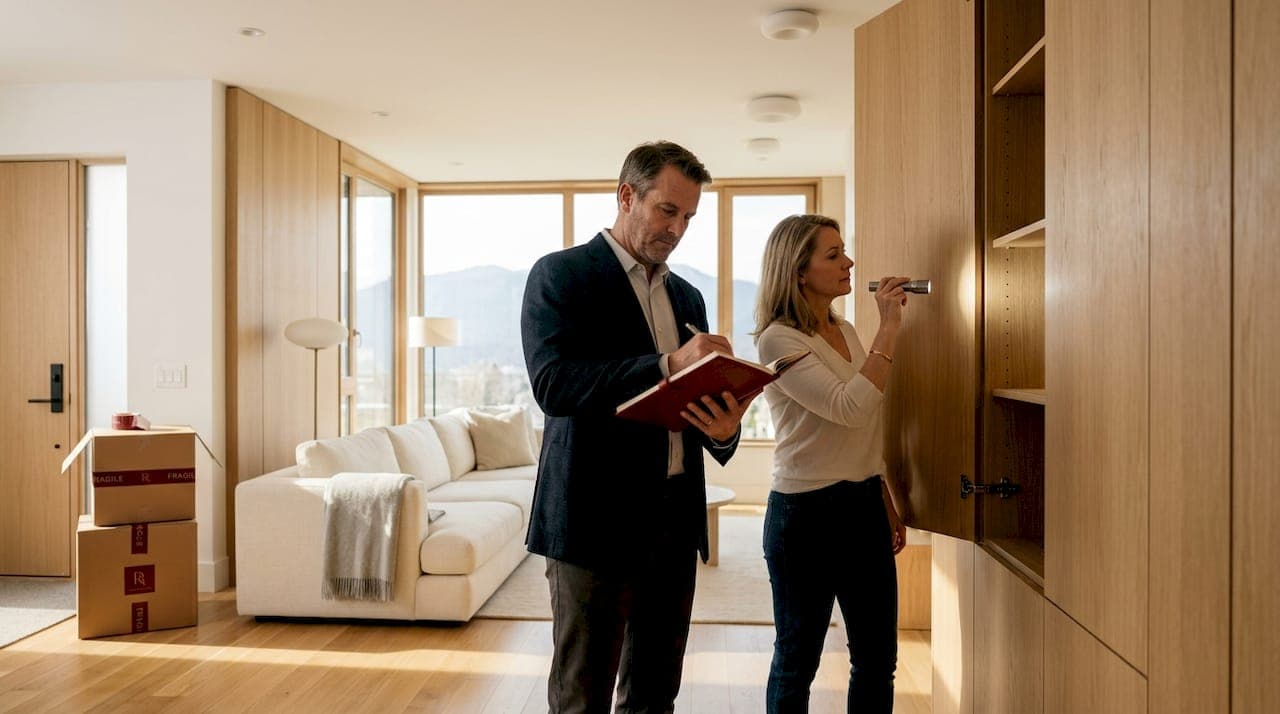
When you’re spending millions on a home, the difference between a premium property and a truly exceptional one comes down to specific features, not just price per square foot. Understanding the types of luxury property features that matter in 2026 means knowing how to separate genuine value from surface-level staging. Buyer priorities have shifted sharply toward security, wellness, privacy, and bespoke design. This guide breaks down every major category of high-end property features, how they affect your daily life, and how to evaluate them before you make an offer.
Table of Contents
-
1. Types of luxury property features: what actually defines them
-
9. Bespoke design elements and custom architectural features
-
My perspective on what really matters in luxury real estate right now
Key takeaways
| Point | Details |
|---|---|
| Space is non-negotiable | 37.4% of luxury buyers rank bedroom and bathroom count as a top priority, not a preference. |
| Security goes beyond cameras | Hardwired systems, panic rooms, and backup power define serious luxury home security in 2026. |
| Bespoke features require due diligence | Secret doors and integrated mechanisms need specialist maintenance; always request a full operational demo. |
| Wellness drives lifestyle value | Private pools, spa bathrooms, and fitness spaces are now baseline expectations in upscale homes. |
| Turnkey condition commands premiums | Move-in ready properties with integrated features outperform those requiring post-purchase customization. |
1. Types of luxury property features: what actually defines them
Before evaluating any specific amenity, you need a working definition of what separates a luxury feature from a standard one. The answer is not price alone. A feature earns its luxury designation when it combines exceptional quality of materials, purposeful design, and a measurable impact on how you live.
The foundational criteria most serious buyers use include:
-
Space and scale: Single-family homes with five or more bedrooms saw a 63.7% rise in global inquiries, confirming that square footage and room count remain the baseline filter.
-
Privacy: Lot position, mature landscaping, setback from roads, and architectural orientation all determine how private a property genuinely feels.
-
Security: 81% of affiliated agents cite security as a top concern, with gated access, CCTV, and panic rooms now expected in this tier.
-
Wellness and outdoor living: Spas, fitness studios, and resort-style outdoor spaces have moved from nice-to-have to expected.
-
Customization depth: Features that were designed into the home from the ground up carry more value than post-purchase additions.
Pro Tip: When touring a luxury property, ask the listing agent which features were original to the build and which were added later. Integrated features hold value better and signal a higher level of design intent.
2. Location and views as irreplaceable luxury features
No interior renovation can manufacture an ocean view or a position on a private ridge. Location remains the most durable of all exclusive property characteristics because it cannot be replicated or upgraded after purchase.
Scenic views add measurable value. A direct ocean or canyon view in markets like La Jolla or Rancho Santa Fe can represent a 15 to 30 percent premium over comparable properties without that sightline. Beyond aesthetics, the right location provides natural privacy, reduces noise exposure, and creates a sense of arrival that no interior design can fully substitute.
Proximity to quality infrastructure, top-tier schools, and private airport access also factors into how buyers weigh location. For buyers considering San Diego’s coastal luxury neighborhoods, the combination of views, walkability, and community prestige creates a value stack that purely interior-focused properties cannot match.
3. Architectural quality and construction materials
The materials a home is built with tell you everything about its long-term performance and its place in the luxury tier. Premium real estate traits at this level include hand-selected stone, wide-plank hardwood flooring, custom millwork, and structural systems built to exceed code rather than simply meet it.
What separates truly high-end construction from cosmetic luxury is what you cannot see. Insulation ratings, window specifications, HVAC zoning, and subfloor systems determine comfort and operating costs for decades. A home finished in imported marble but built with standard-grade infrastructure is a costume, not a luxury property.
Architectural design coherence matters equally. The best luxury properties in Southern California read as a single vision from the entry gate to the back terrace. Every transition, material choice, and spatial proportion was considered. That level of design discipline is a distinguishing luxury feature that photographs cannot fully capture.
4. Smart home technology and resilience systems
Technology integration in luxury homes has matured past novelty. In 2026, buyers expect lighting, climate, audio, security, and window treatments to operate as one system, controlled from a single interface. The question is no longer whether a home is “smart” but how well the system was designed and how easy it is to maintain.
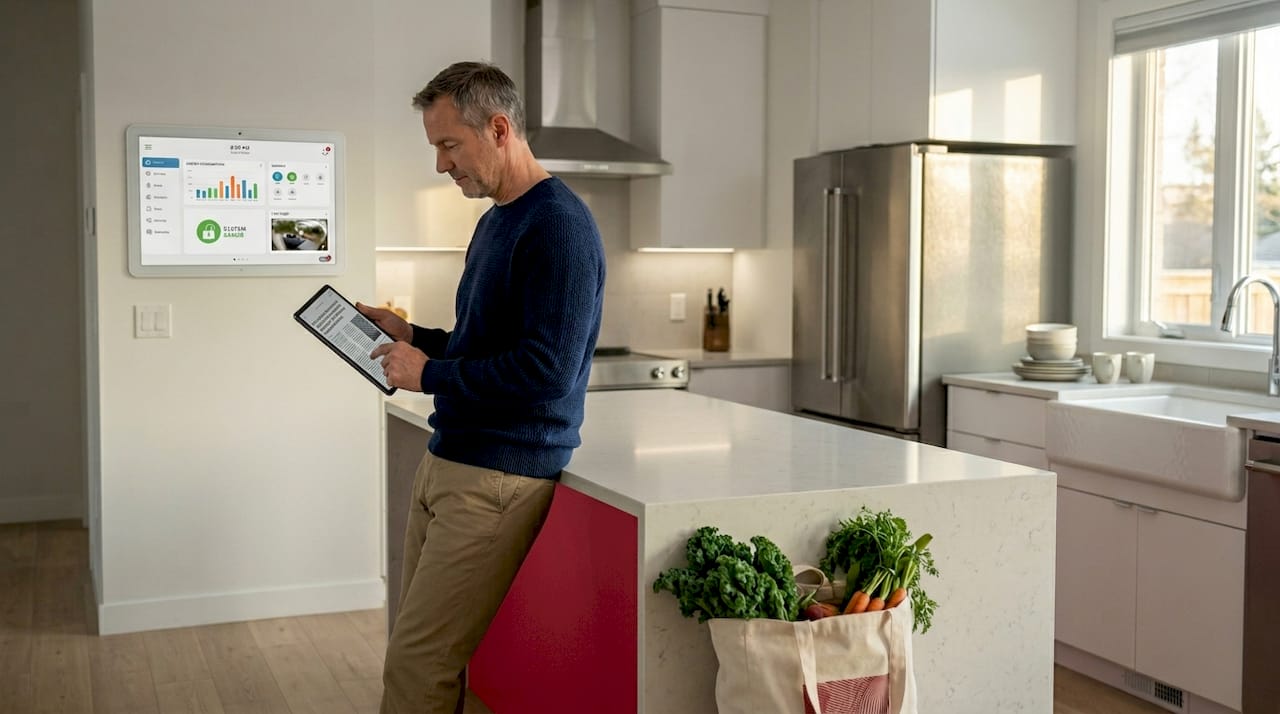
Resilience is the less-discussed side of this category. Backup power systems, whole-home generators, and independent network architecture protect your investment and your comfort when the grid fails. Security systems require hardwired architecture rather than Wi-Fi-only setups, which are vulnerable to signal jamming. A luxury home that loses its security system during a power outage is not a secure home.
Pro Tip: Ask for a full technology audit before closing. Get documentation on every system’s brand, installation date, warranty status, and the name of the integrator who installed it. This prevents expensive surprises within the first year.
5. Gourmet kitchens with professional-grade specifications
A gourmet kitchen in a true luxury property is not about the brand name on the appliances. It is about workflow, ventilation, counter depth, and the quality of the cabinetry joinery. Professional-grade ranges, dual dishwashers, integrated refrigeration, and custom hood systems are the baseline. What elevates a kitchen to a genuine luxury home amenity is the spatial planning behind it.
Butler’s pantries and prep kitchens adjacent to the main kitchen are increasingly standard in this tier. They allow catering and daily cooking to happen simultaneously without compromising the main kitchen’s appearance. For buyers who entertain frequently, this separation of function is worth more than any appliance upgrade.
Stone selection for countertops and backsplashes deserves close inspection in person. Photographs flatten the depth and variation of high-quality marble and quartzite. Always view kitchen materials in natural light before forming an opinion.
6. Master suites and spa-style bathrooms
The master suite in a luxury property functions as a private residence within the home. Generous square footage is expected, but the features that create genuine separation from standard high-end properties include dedicated sitting areas, morning bars with integrated coffee systems, and direct access to outdoor terraces or gardens.
Spa-style bathrooms in this tier go beyond heated floors and soaking tubs. Steam showers with multiple body sprays, radiant ceiling heat, custom vanity lighting calibrated to natural daylight, and separate water closets with bidet systems are now standard at the top of the market. Luxury buyers prioritize lifestyle-driven amenities that support daily wellness rituals, and the master bathroom is where that expectation is most visible.
Closet systems deserve equal attention. A well-designed dressing room with island storage, full-length mirrors, and dedicated jewelry and watch storage signals the same level of design thinking as the rest of the suite.
7. Private pools, wellness facilities, and outdoor living
Outdoor living has become one of the most scrutinized categories of features of upscale homes, particularly in Southern California where climate makes these spaces usable year-round. A pool is expected. What distinguishes a luxury outdoor environment is the quality of the surrounding hardscape, the integration of shade structures, outdoor kitchens, fire features, and the visual continuity between interior and exterior spaces.
Wellness facilities are moving indoors as well. Dedicated fitness studios, infrared saunas, cold plunge pools, and private yoga or meditation rooms are now present in a significant portion of new luxury builds. These spaces reflect a broader shift in what makes a property luxury in 2026: the ability to support a complete lifestyle without leaving the property.
8. Security systems, safe rooms, and integrated protection
Security in a luxury home is an architectural consideration, not a product category. The most serious implementations treat cameras, locks, lighting, and presence simulation as one integrated system rather than separate purchases. Entry sightlines, gate placement, and exterior lighting positions are decided during design, not after move-in.
Safe rooms represent the highest expression of residential security. These are not the Hollywood versions. Secure rooms in real luxury homes include reinforced walls, independent ventilation, backup power, communication systems, and disguised entrances that blend with the surrounding architecture. They serve multiple functions, including storm shelter and secure document storage, and are nearly impossible to identify from a standard listing description.
When evaluating a property with a safe room, request full documentation of its specifications. The quality range is wide, and marketing language rarely distinguishes between a reinforced closet and a purpose-built secure space.
9. Bespoke design elements and custom architectural features
This is the category that separates a luxury property from an expensive one. Bespoke features, whether a library with a secret door mechanism, a wine cellar with a custom reveal system, or hand-painted ceiling murals, represent design investment that cannot be replicated at any price point because they were created for a specific household and story.
These features also carry maintenance responsibilities that buyers must understand before purchase. Integrated reveal mechanisms and custom architectural elements require specialist servicing. Always request a full operational demonstration and ask for the contact information of the craftsperson or contractor responsible for the installation.
The value of bespoke elements is real, but it is also subjective. A feature that resonates deeply with one buyer may not transfer its full value to the next. Factor this into your long-term resale thinking.
10. Feature categories compared: what to prioritize
The table below helps you evaluate the major luxury property feature categories against the criteria that matter most to buyers in 2026.
| Feature category | Resale value impact | Maintenance demand | Universal vs. niche appeal |
|---|---|---|---|
| Location and views | Very high | Low | Universal |
| Security systems | High | Moderate | Universal |
| Smart home integration | Moderate to high | Moderate | Broad |
| Gourmet kitchen | High | Low to moderate | Universal |
| Wellness and outdoor living | High | Moderate to high | Broad |
| Safe rooms | Moderate | Low | Niche |
| Bespoke custom features | Variable | High | Niche |
| Master suite and spa bath | High | Low | Universal |
Location and security score as universally valued across buyer profiles. Bespoke and niche features carry higher personal value but require more careful evaluation for buyers focused on resale potential.
11. How to choose the right luxury features for your needs
Matching luxury property designs to your actual lifestyle requires honest self-assessment before you start touring homes. The most common mistake buyers make is prioritizing features they find impressive over features they will use daily.
Start with these questions:
-
Family structure: Do you need multigenerational accommodations, guest suites with separate entrances, or dedicated children’s spaces?
-
Lifestyle habits: Do you cook seriously, entertain regularly, work from home, or train daily? Let the answers drive your feature checklist.
-
Security threat modeling: What level of security do you genuinely need? A gated community with a guard provides different protection than a standalone property with a full security system.
-
Move-in readiness: Turnkey condition and feature readiness are critical for buyers who cannot manage a renovation project post-purchase.
-
Legacy planning: If multigenerational living or long-term estate planning matters, prioritize properties with flexible floor plans and separate living wings.
Pro Tip: Build a two-column list before every property tour: must-have features on one side, and features you would enjoy but can live without on the other. Stick to it. Emotional decisions in luxury real estate are expensive.
My perspective on what really matters in luxury real estate right now
In evaluating a home, consider how its features support daily life alongside how they look in photographs. Privacy, comfort, maintenance, and layout deserve attention as well as finishes and views.
Security is the clearest example. I have toured properties marketed as “fully secured” that ran entirely on Wi-Fi cameras with no backup power. That is not a security system. That is a liability. The buyers who ask the right questions about hardwired architecture and backup systems are the ones who end up genuinely protected.
Bespoke features are the other area where I see buyers get tripped up. A secret door or a custom reveal mechanism is genuinely exciting, and it can be a meaningful part of a home’s identity. But I have seen buyers close on properties with custom features they did not fully understand, only to discover that the one craftsperson who could service the mechanism had retired. Always get the full picture before you fall in love with a feature.
What I find most undervalued right now is wellness infrastructure. A home with a properly designed fitness studio, an infrared sauna, and a cold plunge is not a luxury indulgence. For a buyer who trains seriously, it is a daily-use facility worth more than a second guest suite they will use twice a year. Match features to your life, not to a checklist.
— Stu
Find your ideal luxury home with Stuharveyestates
If this breakdown of luxury property features has clarified what you are actually looking for, the next step is seeing those features in real properties across San Diego’s most sought-after communities. At Stu Harvey Estates, Stu brings more than 15 years of real estate experience and 250+ personal career transactions to his buyer consultations. He knows which listings in La Jolla, Rancho Santa Fe, and Del Mar genuinely deliver on the features discussed here and which ones use marketing language to obscure the gaps. Browse curated luxury listings that match the feature profiles covered in this article, or explore the full San Diego properties portfolio to start identifying your priorities in real homes.
FAQ
What are the most valued types of luxury property features?
Location, security systems, gourmet kitchens, and spa-style master suites consistently rank as the most universally valued luxury features across buyer profiles. These categories combine high resale impact with broad appeal.
How do safe rooms differ from standard security features?
Safe rooms go well beyond cameras and locks. They include reinforced walls, independent ventilation, backup power, and disguised entrances designed to blend with the home’s architecture.
Are smart home systems worth the investment in luxury properties?
Yes, when the system is properly integrated and documented. Hardwired systems with backup power and a single control interface add genuine value. Fragmented, Wi-Fi-only setups carry security risks and maintenance complexity.
What makes bespoke features different from standard high-end finishes?
Bespoke features are designed and built specifically for a single property and household. Examples include custom reveal mechanisms, hand-painted murals, and secret doors. They require specialist maintenance and carry variable resale value depending on buyer preferences.
How should I prioritize luxury features when buying a home?
Start with features you will use every day, then evaluate security and location as non-negotiables. Use a must-have versus nice-to-have list before touring properties to avoid letting impressive but impractical features drive your decision.