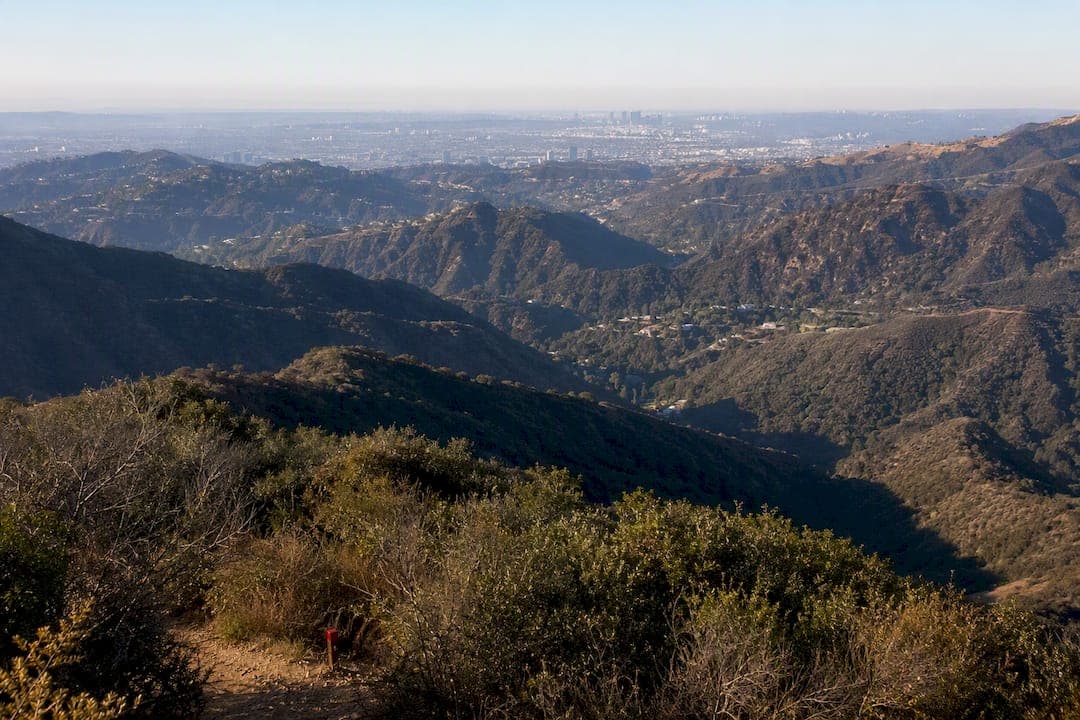
The Hollywood Hills is not one neighborhood but a chain of canyon communities strung across the southern Santa Monica Mountains above central Los Angeles, including Laurel Canyon, the Bird Streets, Beachwood Canyon, and Nichols Canyon. Each pocket has its own architecture, price tier, and personality. The trade-off that runs through all of them is the same: dramatic views and privacy in exchange for winding roads, steep driveways, and a car-dependent lifestyle.
TL;DR:
- The Bird Streets offer unobstructed city and ocean views that can significantly increase property value despite their narrow, gated streets and steep driveways.
- Most neighborhoods depend heavily on car travel, with limited walkability outside Franklin Village and Hollywood Dell, which feature amenities within walking distance.
- View exposure, elevation, and lot buildability are primary factors influencing home prices more than square footage, with unobstructed views commanding the highest premiums.
- Buyers should verify driveway grades, slope stability, and historic district restrictions early to avoid costly surprises or legal limitations after making an offer.
- Prioritizing non-negotiables such as privacy, architecture, or ease of access is crucial, as these often conflict and define the best neighborhood fit for each buyer.
Table of Contents
- Where Are the Hollywood Hills Neighborhoods Located?
- What Are the Best Hollywood Hills Neighborhoods to Consider?
- What Drives Value Differences Between Hollywood Hills Neighborhoods?
- How Should You Choose the Right Hollywood Hills Neighborhood?
- What Buyers Overlook When Choosing a Canyon
- Sources
- FAQ
Where Are the Hollywood Hills Neighborhoods Located?
The Hollywood Hills sit in the southern stretch of the Santa Monica Mountains, forming a natural wall between the Los Angeles basin and the San Fernando Valley. The Hollywood (US 101) Freeway cuts through via Cahuenga Pass, connecting the Hills directly to Studio City and the Valley to the north and to Hollywood proper to the south. Griffith Park anchors the eastern edge, and Los Feliz borders that same flank, while Burbank sits just over the ridge to the northeast.
Confusingly, "Hollywood Hills" and "Hollywood Hills West" describe two different, adjacent areas. Hollywood Hills West covers neighborhoods like Sunset Plaza and Mount Olympus, with boundaries that extend toward Beverly Hills and Mulholland Drive. Hollywood Hills proper is where you find Laurel Canyon, Beachwood Canyon, and most of the neighborhoods this guide covers.
Topography does most of the work in shaping daily life here. Ridgelines determine which lots get unobstructed views and which sit tucked into shaded canyon floors. Streets tend to follow the contour lines rather than a grid, which means a five-minute drive on paper can take fifteen once you factor in switchbacks and one-lane blind curves.
What Are the Best Hollywood Hills Neighborhoods to Consider?
Each of these Hollywood Hills neighborhoods has a distinct character, and picking the right one often comes down to how you weigh privacy, architecture, and access against each other.
- Laurel Canyon. Known for its bohemian, wooded feel and mixed housing stock, from modest cabins to renovated architectural homes. Prices span a wide range, parking is often street-only, and the appeal is the tucked-away, tree-lined atmosphere close to both the Valley and the Sunset Strip.
- The Bird Streets. The most exclusive enclave in the Hills, prized for contemporary glass-and-steel estates with panoramic city and ocean views. Along with Sunset Plaza. The Bird Streets have set some of the Hills' record hillside sales. Streets are narrow and gated, driveways are steep, and privacy is the whole point.
- Beachwood Canyon. Home to the original Hollywoodland development, this is the neighborhood closest to the Hollywood Sign, with Storybook cottages and Mediterranean homes lining winding streets. Tourist foot traffic near the landmark trailheads is a real factor, and homes here trade on historic charm more than sheer size.
- Nichols Canyon. A quieter, mid-century-heavy pocket that draws architecture collectors looking for Case Study-era design without Bird Streets pricing. Access runs off Laurel Canyon Boulevard, and lots tend to be smaller but well-priced relative to the view they deliver.
- Outpost Estates. A historic district with larger lots and Mediterranean Revival and Spanish Colonial homes from the 1920s and 1930s. Some parcels carry historic protections that shape what you can renovate, a detail worth confirming before you fall in love with a fixer.
- Whitley Heights. One of the oldest Hollywood Hills neighborhoods, built in the 1920s with Italian hillside villa styling. It carries a Historic Preservation Overlay Zone (HPOZ), which means exterior changes go through added review. It fits buyers who want architectural authenticity over renovation freedom.
- Cahuenga Pass. The corridor tracking US 101 between Hollywood and the Valley. It is more transitional and traffic-adjacent than the deeper canyons, but it offers easier freeway access for commuters who want hills proximity without the deepest isolation.
- Hollywood Dell. A small, flat-street enclave near the base of the Hollywood Bowl, with 1920s and 1930s homes on more walkable, less steep terrain than most of its neighbors. It suits buyers who want hills character without a punishing driveway grade.
- Hollywood Heights. Tucked near the Hollywood Bowl and Highland Avenue, this pocket blends older homes with newer construction and sits closer to the flatland amenities than the deep canyons do.
- Franklin Village. The most walkable corner of the Hollywood Hills, anchored by the Franklin Avenue commercial strip near Runyon Canyon, with restaurants, coffee shops, and retail within walking distance. It is the pick for anyone who wants hills adjacency without full car dependence.
What Drives Value Differences Between Hollywood Hills Neighborhoods?
View exposure and elevation carry more weight in pricing than raw square footage almost everywhere in the Hills. A smaller home with a clean, unobstructed city-to-ocean sightline in the Bird Streets can outprice a larger home on a shaded Laurel Canyon lot, because the view itself functions as the scarce resource. Lot buildability matters just as much: a flat or gently sloped pad is worth more per square foot than a steep parcel requiring extensive grading and retaining-wall work before you can add a foot of livable space.
Architectural pedigree splits buyers into fairly distinct camps. Collectors chasing mid-century design gravitate toward Nichols Canyon and Outpost Estates, while buyers who want a modern architectural canvas head for the Bird Streets and Sunset Plaza, according to Forbes Global Properties. Historic Mediterranean and Spanish Colonial stock in Whitley Heights and Outpost Estates draws a third group entirely, buyers who want period authenticity even if it limits future renovation.
The practical realities rarely make it into listing photos. Parking is often street-only and competitive on the narrower canyon roads. Driveway grade affects everything from moving-day logistics to how your insurer prices the policy. Retaining walls need periodic engineering review, and wildfire exposure is a real underwriting factor in the driest brush-adjacent pockets.
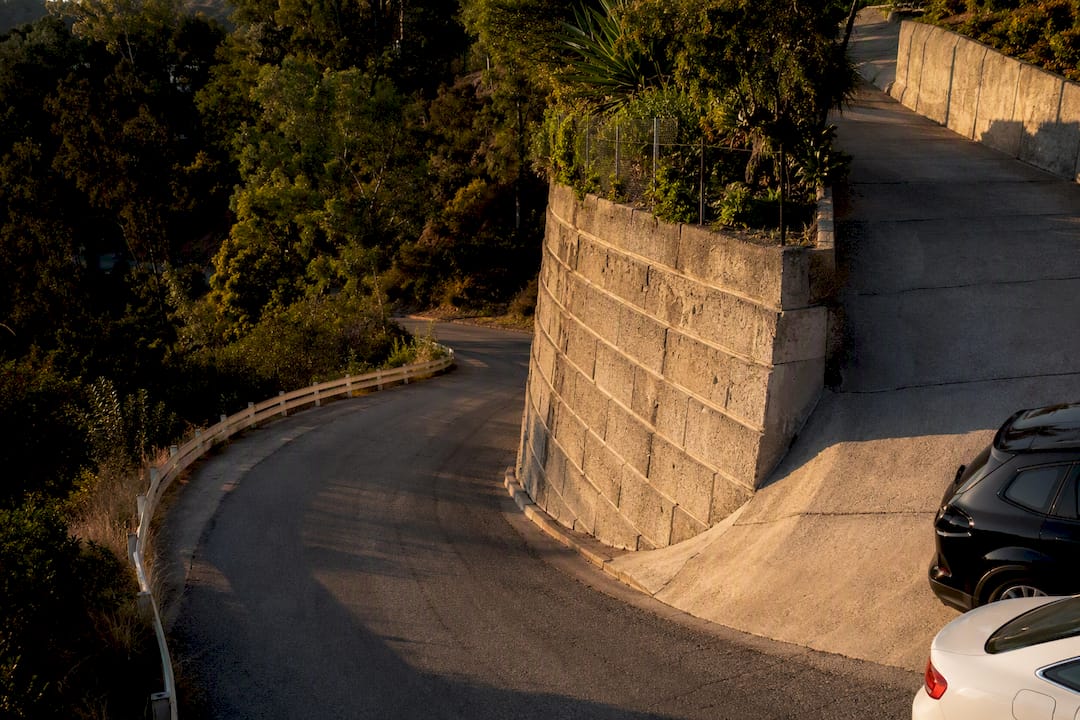
Pro Tip: Drive any canyon you're considering at both morning rush hour and after dark before you make an offer. A street that feels quiet at 2 p.m. on a Tuesday tour can turn into a bottleneck of parked cars and blind curves by 6 p.m.
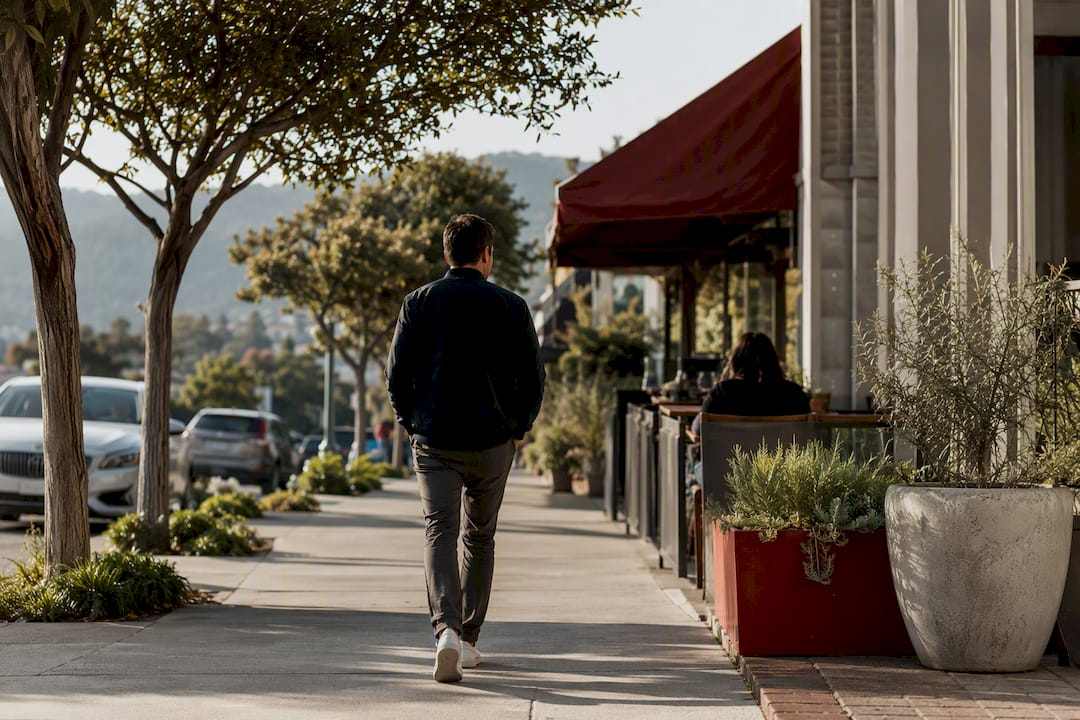
Walkability is the exception rather than the rule. Franklin Village and pockets of Hollywood Dell offer real street-level amenities. Most of Laurel Canyon, Nichols Canyon, and the Bird Streets require a car for everything, including a carton of milk.
How Should You Choose the Right Hollywood Hills Neighborhood?
Start by ranking your non-negotiables, because the Hills rarely let you have everything at once. Budget, architectural style, ease of access, and privacy tend to pull against each other, so decide upfront which two matter most and let the rest flex.
From there, a practical due-diligence sequence protects you from expensive surprises:
- Confirm the driveway grade and parking situation in person, not from photos, since steep grades affect financing, insurance, and daily livability.
- Ask for retaining-wall and slope-stability records, especially on any property built into a hillside cut.
- Check for HPOZ or historic-district status, which governs what exterior renovations you can legally make in neighborhoods like Whitley Heights and Outpost Estates.
- Review wildfire risk and defensible-space requirements for the specific parcel, not just the general area.
- Verify utility access and any HOA rules, since some canyon roads have private maintenance agreements that aren't obvious from public records.
- Understand hillside construction rules before assuming you can expand; the Baseline Hillside Ordinance restricts floor area and grading in much of the Hollywood Hills.
Once a property clears those checks, schedule a second showing at a different time of day and request any engineering or geotechnical reports before you escalate toward an offer.
What Buyers Overlook When Choosing a Canyon
Most buyers spend weeks comparing square footage and finishes and almost no time checking how a canyon actually functions day to day. Having worked many years and completed numerous luxury sales across Southern California, the pattern I see most often is buyers falling for a view before they've confirmed the driveway can handle their cars or the retaining wall has a clean inspection history. My Hollywood Hills neighborhood guide walks through those specifics property by property.
Three things I tell every client shopping the canyons: first, rank your non-negotiables before you tour, because a stunning view will make you forget about a bad commute. Second, drive the route at commute hours, not just during a weekend showing. Third, always ask for slope-stability and retaining-wall documentation before you write an offer, not after.
Buyers in the Hills also tend to identify with their specific canyon rather than the broader area. Someone who owns in Laurel Canyon rarely calls it "Hollywood Hills" in conversation. That local specificity is exactly why generic advice falls short, and why tailored tours and negotiation grounded in each canyon's quirks matter more here than in flatland neighborhoods.
— Stu Harvey
Sources
- Hollywood Hills West — Wikipedia
- Want To Live Among The Stars? Head For These Hollywood Hills Hot Spots — Forbes Global Properties
FAQ
Where Do Celebrities Live in the Hollywood Hills?
Celebrity residents cluster heavily in the Bird Streets and Sunset Plaza, the enclaves known for contemporary estates and record-setting hillside sales, though high-profile owners are scattered across Laurel Canyon and the Bird Streets as well.
What Famous People Have Lived in Hollywood Hills Neighborhoods?
Laurel Canyon has a long history as a home base for musicians and entertainment figures dating back decades, while the Bird Streets and Sunset Plaza have drawn contemporary celebrity buyers due to their privacy and modern architecture.
Is Hollywood Hills More Expensive Than Beverly Hills?
Pricing overlaps heavily between the two, since both include ultra-high-end pockets; the Bird Streets and Sunset Plaza in the Hollywood Hills routinely compete with Beverly Hills at the top of the luxury market, while other Hollywood Hills canyons like Laurel Canyon and Nichols Canyon offer more moderate entry points than most of Beverly Hills.
What's the Difference Between Hollywood Hills and Hollywood Hills West?
Hollywood Hills covers neighborhoods like Laurel Canyon, Beachwood Canyon, and Whitley Heights, while Hollywood Hills West is a separate, adjacent area encompassing Sunset Plaza, Mount Olympus, and Nichols Canyon, with boundaries extending toward Beverly Hills and Mulholland Drive.
Which Hollywood Hills Neighborhood Is Most Walkable?
Franklin Village stands out for street-level walkability, with the Franklin Avenue commercial corridor near Runyon Canyon offering restaurants and shops within walking distance, unlike most of the car-dependent canyon neighborhoods.