
Luxury home sale recordkeeping is defined as the systematic collection, organization, and retention of all transaction, improvement, and compliance documents tied to a high-value property sale. For real estate professionals and serious buyers, this process directly affects tax liability, regulatory standing, and negotiating power. The 2026 FinCEN Residential Real Estate Reporting Rule has raised the stakes further, adding mandatory beneficial ownership certifications and 30–60 day post-closing filing deadlines. Stu Harvey Estates has built its transaction process around this level of documentation discipline, and the results show in smoother closings and stronger sale prices.
How luxury home sale recordkeeping works: the core framework
Luxury real estate documentation is not a single checklist. It is a layered system covering transaction records, capital improvement history, compliance filings, and property-specific technical reports. Each layer serves a different purpose. Transaction records establish legal ownership and transfer. Improvement records protect the seller's cost basis and reduce taxable gain. Compliance filings satisfy federal and state regulators. Technical reports give buyers the confidence to proceed without demanding price concessions.
The standard industry term for this process is real property transaction recordkeeping, though "luxury home sale recordkeeping" captures the specialized depth required at the high end of the market. A $10 million sale in La Jolla or Newport Beach carries documentation obligations that a standard residential transaction simply does not. Failing to recognize that distinction is the most common mistake sellers make.

What key documents must be collected during luxury home sales?
High-end home sale records fall into four distinct categories. Assembling all four before listing is the single most effective way to prevent deal delays.
Transaction records form the legal backbone of any sale:
- Purchase contracts and all executed addenda
- Closing disclosures and settlement statements
- Title deeds and title insurance policies
- HOA governing documents and transfer disclosures
Capital improvement documentation protects the seller's tax position. Receipts, invoices, and permits for improvements such as kitchen remodels, pool installations, and HVAC upgrades must be retained to reduce taxable gain. Every dollar of documented improvement raises the cost basis and lowers the IRS's calculation of profit.
Specialized property documents apply specifically to luxury assets:
- Structural and geotechnical engineering reports
- Building envelope assessments
- Milestone Inspection Reports for condominiums
- Structural Integrity Reserve Studies
Compliance and regulatory filings now include 2026 FinCEN requirements. Reporting persons must retain beneficial ownership certifications and designation agreements alongside filed reports. These documents must be kept for five years from the date of filing.
Pro Tip: Start a dedicated digital folder for each property the moment you list it. Label subfolders by category, not by date. Buyer agents verify documents by type, not by timeline.
How do regulatory and tax rules impact recordkeeping for luxury home sales?
The 2026 FinCEN Residential Real Estate Reporting Rule is the most significant regulatory change affecting luxury property transactions in years. The rule targets all-cash residential transactions and requires designated reporting persons to file Real Estate Reports with the Financial Crimes Enforcement Network within 30–60 days of closing. That filing deadline is not flexible.
The five-year retention mandate applies to the following:
- Beneficial ownership certifications
- Designation agreements between settlement agents and reporting persons
- Copies of all filed Real Estate Reports
- Supporting identity verification documents
On the tax side, the IRS treats undocumented capital improvements as non-existent. Poor recordkeeping forces sellers to report a higher taxable gain because they cannot prove what they spent improving the property. A $500,000 kitchen renovation without receipts adds that full amount to the seller's apparent profit. That is a material tax exposure on a luxury asset.
Closing costs on luxury homes average 8%–10% of the sale price, with real estate commissions representing the largest share. Accurate recording of every closing cost, including title, escrow, HOA transfer fees, staging, and repairs, is the only way to calculate true net proceeds. Sellers who skip this step routinely underestimate their tax bill.
What specialized recordkeeping strategies apply to luxury properties and condominiums?
Luxury condominiums carry documentation requirements that freestanding homes do not. Milestone Inspection Reports and Structural Integrity Reserve Studies are now standard buyer expectations in the luxury condo market. Incomplete or unfavorable reports frequently result in deal termination or forced price renegotiation. Sellers who have these reports ready at listing remove the single biggest source of buyer hesitation.
For properties above $5 million, the documentation scope expands further. Specialist evaluations including structural, geotechnical, and building envelope assessments protect buyers from hidden defects and give sellers a defensible record of the property's condition. These reports typically cost $500–$2,000 and pay for themselves many times over in negotiating confidence.
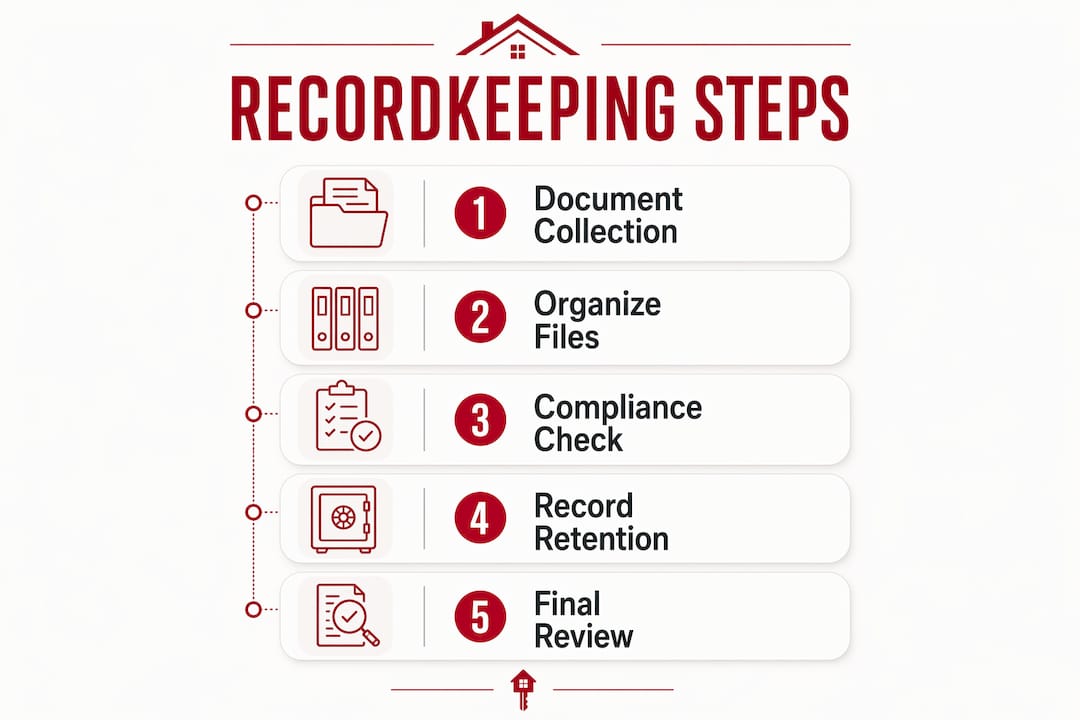
The most effective organizational approach for managing high-value property records follows this sequence:
- Create category-based folders. Category-based organization by system type (roof, electrical, plumbing, renovations) aligns with how buyer agents actually verify documents. Chronological filing slows verification and signals amateur preparation.
- Build a property guidebook. A curated property guidebook with maintenance logs and permit histories acts as a negotiation asset. Buyers who can see the full history of a property are less likely to demand concessions.
- Engage judicial experts for complex titles. For luxury assets with layered ownership structures or complex title histories, judicial-grade title review identifies regulatory risks that standard title searches miss. This is standard practice for family offices managing generational wealth.
- Document board meeting minutes. For condominiums, board meeting minutes and reserve studies reveal pending special assessments and active legal disputes. Proactive disclosure of these records reduces transaction delays and prevents last-minute buyer objections.
Pro Tip: Commission a property condition report before listing, not after an offer arrives. Reactive documentation hands negotiating leverage to the buyer.
How to organize and present luxury home sale records to maximize transaction efficiency
A digital record package assembled before listing is the single most effective tool for avoiding the "uncertainty discount." Buyers who cannot verify a property's condition and history price that uncertainty into their offers. Digital property records created before listing remove that discount entirely.
The presentation of records matters as much as their completeness. Organize documents so a buyer's agent can locate any category within two clicks. Include a cover sheet that lists every document, its category, and the date it was created or last updated. This signals professionalism and reduces the volume of due diligence requests during escrow.
For luxury condo sales, include board meeting minutes and reserve studies in the initial disclosure package. Buyers and their attorneys will request these documents regardless. Providing them upfront signals transparency and accelerates the review timeline. Proactive documentation of these records reduces transaction delays and buyer concerns in a measurable way.
Maintenance logs and permit histories serve a dual purpose. They demonstrate that the property has been maintained to a high standard, and they provide a factual rebuttal to any buyer claim of deferred maintenance. A well-documented permit history also confirms that all improvements were completed legally, which protects the seller from post-closing liability. Pair this with a luxury real estate portfolio strategy to maximize long-term asset value.
The most common documentation pitfalls in luxury sales are missing permits for additions, undocumented HOA assessments, and gaps in improvement receipts. Each one gives a buyer's agent grounds to request a price reduction. Closing those gaps before listing is the most direct way to protect the asking price.
Key Takeaways
Luxury home sale recordkeeping requires category-based organization, five-year retention of FinCEN compliance filings, and complete capital improvement documentation to protect tax position and support full asking price.
| Point | Details |
|---|---|
| FinCEN compliance is mandatory | File Real Estate Reports within 30–60 days of closing and retain all records for five years. |
| Capital improvement records reduce taxes | Documented receipts and permits raise cost basis and lower taxable gain on high-value sales. |
| Category-based organization speeds deals | Organize by system type, not by date, to align with how buyer agents verify documents. |
| Condo sales need specialized documents | Milestone Inspection Reports and reserve studies are now standard buyer expectations in luxury condo transactions. |
| Pre-listing digital packages prevent discounts | Assembling records before listing removes buyer uncertainty and protects the asking price. |
What I've learned about records after 250+ luxury closings
After more than 250 luxury transactions across San Diego, Los Angeles, and Orange County, the pattern is clear. Sellers who treat documentation as an afterthought lose money. Not occasionally. Consistently.
The buyers I work with at the top of the market are sophisticated. They have attorneys, CPAs, and buyer agents who know exactly what to ask for. When a seller cannot produce a permit for a $200,000 addition or a reserve study for a high-rise condo, that gap becomes a negotiating weapon. I have watched buyers use missing records to justify six-figure price reductions on properties that were otherwise priced correctly.
The 2026 FinCEN reporting requirements have made this even more consequential. All-cash transactions, which represent a significant share of the luxury market in La Jolla and Rancho Santa Fe, now carry federal filing obligations. Sellers who are not prepared for those requirements face delays that can kill a deal entirely.
My advice is simple. Treat your records the way you treat your property. Maintain them, update them, and present them with pride. A seller who walks into a listing appointment with a complete digital record package signals to every buyer that this transaction will be clean, fast, and professional. That signal has real monetary value.
The professionals who will thrive in this market are the ones who build documentation habits before they need them. Reactive recordkeeping is expensive. Proactive recordkeeping is a competitive advantage.
— Stu Harvey
Stu Harvey Estates and the documentation standard for luxury sales
Stu Harvey Estates brings over 15 years of experience and more than $1.2 billion in sales volume to every luxury transaction in Southern California. That track record is built on a documentation standard that protects sellers, satisfies buyers, and meets the 2026 regulatory requirements that now govern high-value all-cash sales.
Every listing managed by Stu Harvey Estates includes a complete pre-listing record package, guidance on FinCEN compliance obligations, and coordination with tax professionals on capital improvement documentation. Whether you are selling a single-family estate in The Hollywood Hills or a luxury condominium in Newport Beach, the right records make the difference between a clean close and a costly delay. Browse current luxury listings or connect directly with Stu Harvey to start building your documentation strategy today.
FAQ
What documents are required for luxury home sale recordkeeping?
Luxury home sale recordkeeping requires transaction records, capital improvement receipts and permits, title documents, and 2026 FinCEN compliance filings including beneficial ownership certifications. Luxury condominiums also require Milestone Inspection Reports and Structural Integrity Reserve Studies.
How long must luxury home sale records be retained?
The FinCEN Residential Real Estate Reporting Rule requires reporting persons to retain beneficial ownership certifications, designation agreements, and filed Real Estate Reports for five years from the date of filing.
How does recordkeeping affect taxes on a luxury home sale?
Documented capital improvements raise the property's cost basis, which directly reduces the taxable gain reported to the IRS. Missing receipts or permits force sellers to report a higher profit, increasing their tax liability on the sale.
What is the FinCEN reporting deadline for luxury home sales?
Reporting persons must file Real Estate Reports with FinCEN within 30–60 days after closing on qualifying all-cash residential transactions. Missing this deadline creates regulatory exposure for the designated reporting party.
Why do luxury condo sales require additional documentation?
Luxury condo buyers require board meeting minutes, reserve studies, and Structural Integrity Reserve Studies to assess building financial health and identify pending special assessments or legal disputes before committing to a purchase.