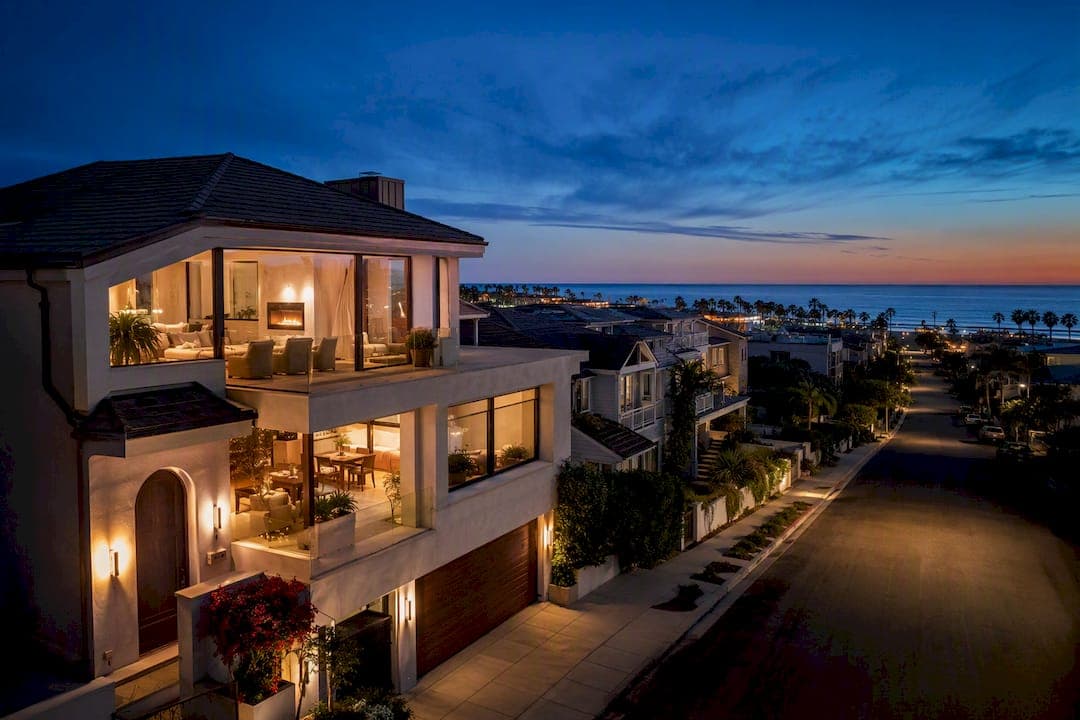
Yes, you can legally run an Airbnb in San Diego, but only if you hold a Short-Term Residential Occupancy (STRO) license and a Transient Occupancy Tax (TOT) certificate before you accept a single booking. The city caps whole-home rentals by tier, limits you to one license per host, and requires renewal every two years. Get the paperwork wrong, and you're looking at fines or losing the license entirely.
TL;DR:
- Securing an active Short-Term Residential Occupancy license in San Diego is mandatory before accepting any bookings, with licenses valid for two years and non-transferable.
- Hosts must register for transient occupancy tax and possibly rental business taxes before applying for a license, and keep detailed records for at least four years.
- License approval for Tier 3 and Tier 4 depends on a lottery system due to caps, making it essential to verify license availability prior to property purchase.
- Ongoing compliance requires adhering to minimum stay rules, exterior signage, quarterly reports, and guest conduct regulations to avoid revocation.
- Properties like accessory dwelling units, affordable housing, and nonresidential structures are generally ineligible for short-term rental licenses in San Diego.
Table of Contents
- San Diego Airbnb Rules: The STRO License and Its Four Tiers
- Tax and Business Registrations: TOT, Rental Unit Business Tax, and Remittance
- How to Apply for an STRO License in San Diego
- Daily Operating Rules Every STRO Host Must Follow
- Which Properties Can't Get an STRO License
- What Happens If You Don't Comply
- Host Compliance Checklist and What It Means for Property Value
- Insurance Considerations for San Diego Airbnb Hosts
- Appealing a License Denial or Enforcement Action
- How Neighborhood and Community Standards Affect Your Listing
- Tourist Zones vs. Residential Neighborhoods: Different Realities
- Guest Behavior Rules and Party Restrictions
- Where to Find Official STRO Resources
- The Real Risk in San Diego Airbnb Rules Isn't the Rules Themselves
- Sources
San Diego Airbnb Rules: The STRO License and Its Four Tiers
Any dwelling unit rented for less than one month falls under the STRO ordinance, which the city enforces through the Office of the City Treasurer. That single fact reshapes how you think about buying or operating a rental property here. STRO licenses run for two years and cannot be transferred to a new owner, a detail that matters enormously if you're purchasing a home specifically to rent it short-term.
The city splits licenses into four tiers, and which one applies to you depends entirely on how you use the property and how often.
- Tier 1 covers part-time hosting, capped at 20 days per year. This fits an owner who rents out a guest suite during Comic-Con week or a few weekends a year and nothing more.
- Tier 2 applies to home-sharing beyond 20 days annually, but only if the host occupies the unit as a primary residence at least 275 days per calendar year. You live there most of the time and rent a room or portion of the home on the side.
- Tier 3 covers whole-home rentals outside Mission Beach, exceeding 20 days a year. These licenses are capped citywide, and the license carries an annual utilization requirement meaning you need to rent the place for a minimum period each year, not just hold the license.
- Tier 4 is Mission Beach's own category for whole-home rentals in that neighborhood, subject to a separate, tighter cap. Mission Beach has historically operated near or at capacity, and new applicants frequently land on a waitlist rather than getting an immediate license.
The one-license-per-host rule closes an obvious loophole: you can't spread ownership across a dozen LLCs to stack multiple whole-home licenses under one name. If you're eyeing a property in Mission Beach specifically for STR income, check license availability before you write an offer, not after closing.
Tax and Business Registrations: TOT, Rental Unit Business Tax, and Remittance
Every STRO host needs a Transient Occupancy Tax certificate, full stop, even if Airbnb or Vrbo automatically remits the tax on your behalf. The city's TOT requirement exists independently of whatever the booking platform handles for you. Registration isn't optional paperwork you can skip because the platform "takes care of it."
Quick math on your tax burden: combined TOT and Tourism Marketing District (TMD) rates in San Diego generally run in the 11.75% to 13.75% range depending on the zone, though you should verify current figures on the city's site before pricing out your listing, since rates shift by location and by ordinance updates.
Beyond TOT, hosts renting a unit more than six days per year must also register for the Rental Unit Business Tax. That threshold catches nearly every serious short-term rental operator; six days is nothing for a property generating real income.
A few practical points to keep straight:
- Register for TOT and Rental Unit Business Tax before you apply for your STRO license, not after.
- Keep remittance records even when a platform pays taxes automatically. City audits look at your records, not the platform's.
- File on the schedule the Treasurer's office assigns, and don't assume quarterly and annual deadlines are interchangeable.
Treat these accounts the way you'd treat payroll tax for a small business. Missing a filing doesn't just cost you a late fee; it can flag your STRO license for review.
How to Apply for an STRO License in San Diego
Getting licensed follows a specific sequence, and skipping steps is the fastest way to get bounced back to the start.
- Register for tax accounts first. Get your TOT certificate and, if applicable, your Rental Unit Business Tax registration squared away before you touch the STRO application. The city checks for these during review.
- Create an STRO account and select your tier. Tier 1 and Tier 2 applications move relatively quickly since they aren't capped. Tier 3 and Tier 4 applications enter a lottery or waitlist process because citywide and Mission Beach caps are frequently maxed out.
- Pay the application and license fees. As of March 2025, Tier 1 runs around $226, Tier 2 around $317, and Tier 3 or Tier 4 around $1,170 combined for application and license. Confirm current figures on the city's fee schedule, since these adjust periodically.
- Wait for lottery placement if your tier is capped. Tier 3 and Tier 4 don't guarantee approval just because you applied and paid. If demand exceeds available slots, the city allocates through a lottery, and unsuccessful applicants land on a waitlist rather than a denial.
- Renew every two years. Mark your calendar the day you get approved. Licenses lapse if you miss the renewal window, and reapplying from scratch means reentering the lottery for capped tiers.
The most common rejection triggers are unpaid taxes, open code enforcement cases against the property, and missing proof of primary residence for Tier 2 applicants. Clear those hurdles before you submit, and your application moves far faster.
Daily Operating Rules Every STRO Host Must Follow
Getting the license is step one. Keeping it requires ongoing compliance that a surprising number of hosts underestimate.
Tier 2 hosts must maintain their primary residence status by living in the unit most of the year. Tier 3 and Tier 4 hosts must meet a minimum annual rental period and submit quarterly utilization reports to the city. Skipping those quarterly filings is one of the more common ways operators discover their license flagged for revocation even though the property was, in fact, being rented.
Every whole-home license also carries a two-night minimum stay requirement. That single rule reshapes your listing strategy: you can't chase one-night weekend bookings the way a hotel might, so calendar management and pricing need to account for it from day one.
Signage isn't optional either. The host operating requirements call for exterior posting visible from the public right-of-way, listing your TOT number, STRO license number, and contact information for both the host and local Code Enforcement.
- Post your TOT and STRO numbers where a neighbor or inspector can see them without entering the property.
- Keep a rental activity log, guest dates, and tax remittance records for four years.
- Maintain compliance with fire code requirements specific to short-term occupancy.
- Calendar your quarterly utilization reports if you hold a Tier 3 or Tier 4 license.
Pro Tip: Set up a simple spreadsheet or property management tool the day you get your license, logging every guest stay, nightly rate, and tax remittance. Auditors don't accept "the platform has that data"; they want your own records, and four years is a long time to reconstruct from memory.
Which Properties Can't Get an STRO License
Some properties simply don't qualify for short-term rental use, regardless of how badly an owner wants to rent them out. The STRO ordinance FAQ spells out several categories that are off-limits entirely.
- Accessory Dwelling Units (ADUs) are generally prohibited from STRO use, with narrow exceptions that don't apply to most standalone granny flats or converted garages.
- Income-restricted affordable housing units cannot be converted to short-term rental use under any circumstance.
- Student housing and single-room occupancy (SRO) buildings are excluded.
- RVs, boats, tents, and other temporary or mobile structures don't qualify as licensable dwelling units.
- Nonresidential commercial spaces can't be repurposed as short-term rentals just because they have a bathroom and a bed.
Live/work units create a gray zone worth flagging: only the residential portion of a live/work property is typically eligible, and the commercial half stays off-limits.
Before you buy a property with STR income in mind, check its zoning and community plan area (CPA) designation directly with Development Services rather than assuming a listing agent's description covers it. A property that looks perfect on paper can be structurally ineligible the moment you dig into its zoning history.
What Happens If You Don't Comply
San Diego's enforcement ladder starts with warnings and escalates quickly for repeat or serious violations. First-time issues typically bring a warning or correction notice. Continued noncompliance moves to administrative citations, which carry real fines, and the most serious or repeated violations end in license revocation.
Booking platforms carry their own enforcement role. San Diego expects Airbnb, Vrbo, and similar platforms to block listings that lack a valid STRO number, and SDMC Chapter 5, Article 10 formalizes platform reporting obligations to the city. That means an unlicensed listing doesn't just risk a city fine; it risks getting pulled from the platform entirely.
The three mistakes that trigger the most enforcement action:
- Operating without a valid, current STRO license, often because a renewal lapsed unnoticed.
- Missing quarterly utilization reports for Tier 3 or Tier 4 licenses, which can flag revocation even on an active property.
- Ignoring neighbor complaints about noise, parking, or occupancy limits until the city gets involved directly.
If you receive a notice, respond immediately rather than hoping it resolves itself. Gather your tax records, utilization logs, and license documentation, and contact the Treasurer's office to understand exactly what triggered the notice. For anything beyond a routine warning, particularly a citation with financial penalties or a revocation threat, bring in an attorney familiar with municipal code enforcement before your response deadline passes.
Host Compliance Checklist and What It Means for Property Value
Run through this before your first guest checks in:
- Register for TOT and, if applicable, Rental Unit Business Tax.
- Apply for the STRO tier that matches your actual use pattern, not the one you wish applied.
- Install exterior signage with your TOT and license numbers before your listing goes live.
- Set up a four-year recordkeeping system for guest dates, rates, and tax remittance.
- Calendar your renewal date two years out, and quarterly reports if you hold Tier 3 or 4.
For luxury buyers, the license question changes how you should shop. Because STRO licenses cannot transfer to a new owner, a seller's active whole-home license disappears the moment the deed changes hands. Check the STRO licenses dataset for the property's community planning area before you assume you'll simply inherit rental income potential.
| What to verify | Why it matters |
|---|---|
| Current license status on the property | Confirms whether an active STRO license exists today |
| Tier cap status in that CPA | Reveals if new Tier 3/4 applications are open or waitlisted |
| Zoning and unit type | Rules out ADUs or ineligible structures before you buy |
| Seller's utilization records | Signals how compliant the operation actually was |
A rigorous due diligence process before closing protects both your investment and your resale position, since a property with a clean compliance history and verified license eligibility holds more negotiating leverage than one with an ambiguous STR status.
Insurance Considerations for San Diego Airbnb Hosts
Standard homeowners insurance policies typically exclude short-term rental activity, which leaves a serious coverage gap the moment you start hosting paying guests. Most insurers require you to disclose STR use and add a short-term rental endorsement or a dedicated landlord/rental policy that covers liability for guest injuries, property damage from guests, and lost rental income if the property becomes uninhabitable.
Airbnb and Vrbo both offer host protection programs, but those typically supplement rather than replace a real policy, and coverage limits or exclusions can leave gaps that surprise hosts after an incident. For luxury properties specifically, umbrella liability coverage on top of a rental-specific policy is worth serious consideration, given the higher payout exposure if a guest is injured on a high-value property.
Talk to your insurance agent before you list the property, not after your first booking. Misrepresenting a property's use to an insurer, even unintentionally, can void a claim exactly when you need coverage most.
Appealing a License Denial or Enforcement Action
If the city denies your STRO application or issues an enforcement action, you have a formal path to contest it rather than simply accepting the outcome. Denials often stem from fixable issues: unpaid taxes, missing proof of primary residence for Tier 2, or an open code enforcement case tied to the property.
Start by requesting a written explanation of the denial or citation from the Office of the City Treasurer. That document tells you exactly what to correct. Many denials get resolved simply by submitting missing documentation or clearing an outstanding tax balance rather than through a formal appeal hearing.
For enforcement actions like citations or revocation notices, the municipal code outlines an administrative appeal process with specific response deadlines. Missing that deadline can forfeit your right to contest the action, so treat the notice's timeline as non-negotiable. If the stakes involve a revoked Tier 3 or Tier 4 license, given how difficult those are to reobtain through the lottery, retaining legal counsel experienced in municipal appeals is worth the cost relative to what you stand to lose.
How Neighborhood and Community Standards Affect Your Listing
STRO compliance with the city is only half the picture. Homeowners associations, community planning groups, and informal neighborhood standards can add another layer of restriction on top of what the municipal code requires.
An HOA can prohibit short-term rentals entirely in its governing documents, regardless of whether the property qualifies for an STRO license at the city level. Before buying into a condo building or planned community with STR intentions, read the HOA's CC&Rs directly rather than relying on a listing description that says nothing about rental restrictions.
Community planning areas also shape practical enforcement. Neighborhoods with active community groups tend to generate more noise and parking complaints against short-term rentals, which in turn draws more Code Enforcement attention to that specific block or building. A technically compliant license doesn't insulate you from neighbor complaints escalating into inspections.
Tourist Zones vs. Residential Neighborhoods: Different Realities
The STRO rules apply citywide, but how they play out differs sharply between Mission Beach, Pacific Beach, or downtown and a quiet residential street in Del Cerro or Clairemont. Mission Beach's Tier 4 cap sits closest to capacity most years, meaning new whole-home applicants frequently face a waitlist rather than immediate approval.
In tourist-heavy coastal zones, the volume of STRO activity means Code Enforcement pays closer attention, and neighbors are more accustomed to short-term guest turnover, which can actually reduce friction compared to a residential street where a rental feels like an anomaly. If you're evaluating Pacific Beach for STR potential, factor in that established rental density there cuts both ways: more competition, but also fewer surprised neighbors calling the city.
Residential neighborhoods farther from the coast see fewer STRO licenses overall, which means less competition for Tier 3 slots but potentially more scrutiny from neighbors unaccustomed to short-term turnover on their block.
Guest Behavior Rules and Party Restrictions
San Diego's STRO ordinance holds hosts responsible for guest conduct, not just paperwork. Excessive noise, unauthorized events, and occupancy beyond what the license allows are among the most common complaint triggers that draw Code Enforcement to a property.
Most licensed whole-home rentals in San Diego effectively function under no-party policies, whether stated explicitly in the listing or enforced through repeated complaint-driven inspections. Hosts who allow large gatherings, especially in residential zones, run a real risk of citations that escalate toward revocation if repeat complaints pile up.
Practical steps that keep you out of trouble: set clear occupancy limits matching your license and property capacity, state quiet hours explicitly in your listing rules, and screen bookings that request last-minute large group stays without a clear explanation. A turnover checklist that includes a post-stay inspection also helps you catch and document violations before they become the neighbor's problem to report.
Where to Find Official STRO Resources
Start with the City of San Diego's STRO page for license applications, tax registration, and current fee schedules.
- STRO host operating requirements checklist (PDF) for the full list of ongoing compliance obligations.
- San Diego Municipal Code Chapter 5, Article 10 for the legal text behind every rule discussed here.
- STRO licenses dataset on the city's open data portal to check license availability and status by community planning area.
If your question isn't answered on those pages, call or email the Office of the City Treasurer directly rather than relying on secondhand guidance from a property manager or listing agent.
The Real Risk in San Diego Airbnb Rules Isn't the Rules Themselves
Most hosts overestimate how hard STRO compliance is and underestimate how badly license non-transferability can wreck a purchase decision. The paperwork itself, TOT registration, signage, quarterly reports, is genuinely manageable with a basic filing system. What trips people up is buying a property assuming rental income they were never guaranteed to keep.
The conventional advice treats STRO licensing like a formality to check off after closing. That's backwards for anyone buying with STR income in mind, especially in capped tiers or Mission Beach specifically. License availability should factor into your offer price and your walk-away decision, not your move-in checklist.
If you're evaluating a property for its short-term rental potential, verify the community planning area's tier cap status before you get emotionally attached to the listing photos. A gorgeous property with no realistic path to a Tier 3 or Tier 4 license is a long-term residence wearing an investment property's price tag.
Ready to evaluate a San Diego property with STR potential the right way, factoring in license availability, zoning, and neighborhood caps before you make an offer? Browse current listings like 527 N Park Ave, or connect directly through Stu Harvey's agent page to get a read on a specific property's rental viability before you commit.
Sources
- Short-Term Residential Occupancy (STRO) | City of San Diego Official Website
- Office of the City Treasurer, STRO host operating requirements (checklist PDF)
- San Diego Municipal Code Chapter 5, Article 10 (Short-Term Residential Occupancy)
- STRO licenses dataset | City of San Diego Open Data