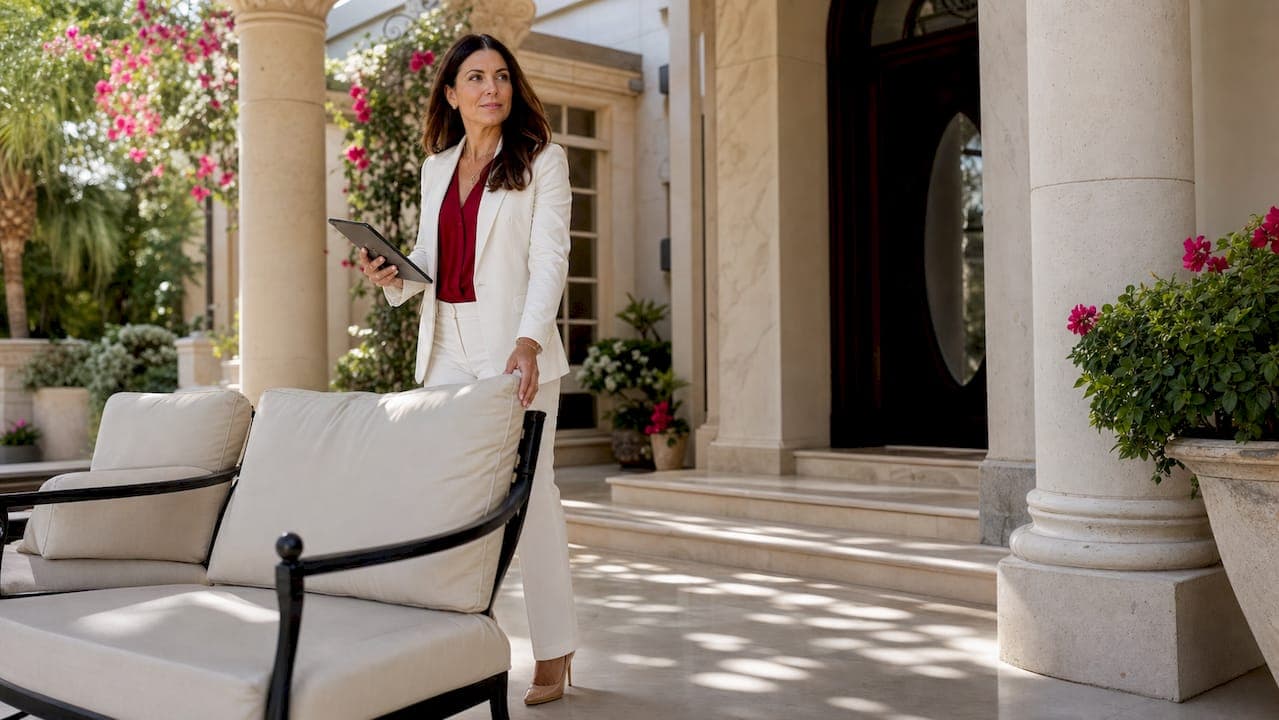
Luxury open house best practices are defined as the preparation, promotion, and event execution standards that convert qualified buyer interest into competitive offers on high-end properties. A standard public open house fails in the luxury segment because affluent buyers expect a curated experience, not a walkthrough. The strategies that work combine multi-channel marketing starting 10–14 days out, lifestyle-focused staging, controlled guest access, and personalized follow-up. Stu Harvey Estates applies exactly this framework across Southern California markets including La Jolla, Newport Beach, and The Hollywood Hills.
1. Open house best practices for luxury: start with promotion timing
Luxury promotion must begin 10–14 days before the event. That window gives your MLS syndication, social media campaigns, and agent outreach time to reach the right buyers before the date is set in their calendars.
Professional photography is non-negotiable at this stage. Teaser campaigns built around high-resolution images and short video clips generate anticipation and pre-qualify attendees before they ever arrive.
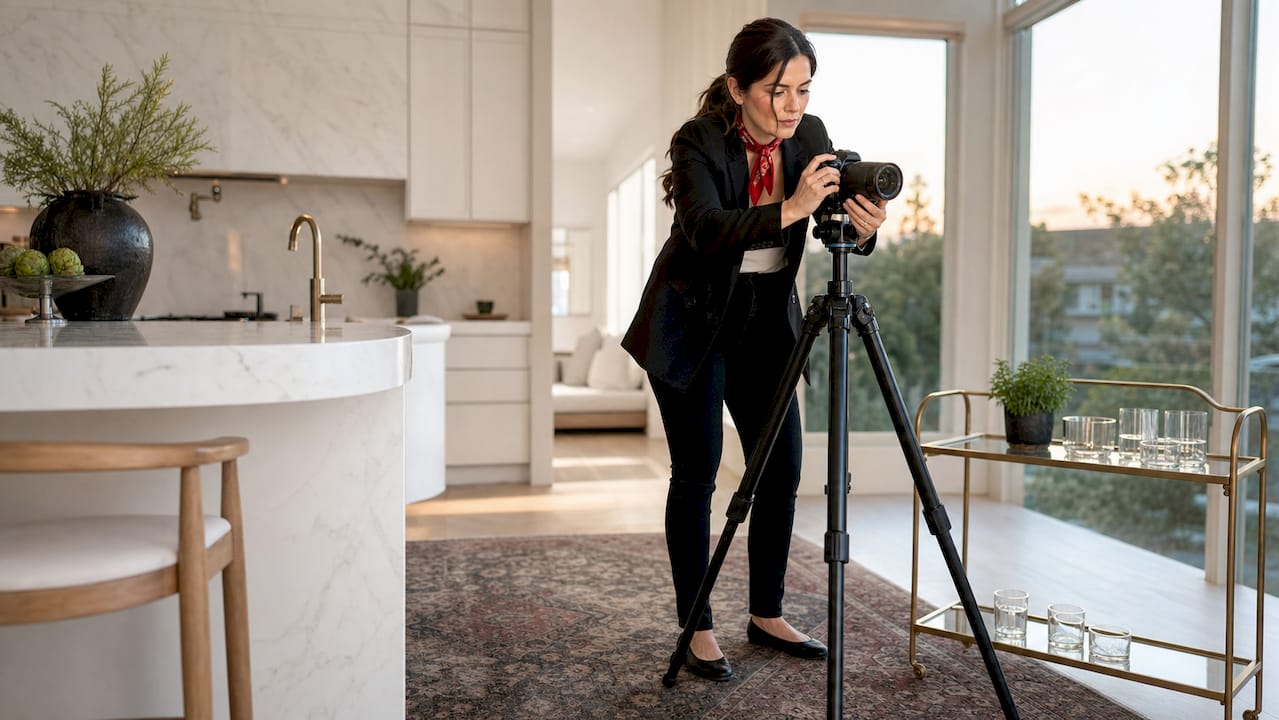
Personalized invitations to broker networks and pre-qualified buyers outperform mass email blasts. A direct call or a handwritten note to a top buyer's agent signals exclusivity and generates higher-quality attendance.
Physical signage still matters. 6–10 directional signs placed within a half-mile radius of the property guide traffic on the day of the event. That standard applies even in markets where digital dominates.
- Launch MLS listing and social media teasers 10–14 days prior
- Send personalized broker invitations at least one week out
- Deploy 6–10 directional signs the morning of the event
- Schedule a VIP broker preview 24–48 hours before the public showing
Pro Tip: Run targeted Facebook and Instagram ads within a defined geographic radius. A $50–$150 ad spend can reach 5,000–20,000 relevant users, making it one of the most cost-effective tools in luxury open house marketing.
2. Property preparation that signals quality from the curb
The arrival experience shapes buyer perception before they open the front door. Manicured landscaping and a freshly painted front door communicate that the property has been maintained with care. Power-washed hardscapes, clean pool water, and trimmed hedges reinforce that signal at every step.
Interior preparation follows a specific sequence. Professional deep cleaning should be completed at least two days before the event. That gap allows surfaces to air out fully, which matters because synthetic fragrances applied too close to the event read as a cover-up to experienced buyers.
Temperature control is a detail most agents overlook. Maintain interior temperatures between 72 and 74 degrees Fahrenheit. Buyers who arrive from a hot or cold exterior immediately register physical comfort, and that comfort attaches to their perception of the home.
Remove personal photographs, excess furniture, and any items that anchor the space to the current owner's identity. The goal is a neutral but warm environment where a buyer can mentally move in. For lifestyle-focused staging, align décor choices with the property's location and buyer profile.
- Complete deep cleaning at least 48 hours before the event
- Set thermostats to 72–74°F before guests arrive
- Power-wash driveways, patios, and pool surrounds
- Replace synthetic air fresheners with fresh flowers or citrus
- Remove personal items and reduce furniture to showcase space
Pro Tip: For coastal properties in markets like La Jolla or Newport Beach, place fresh white flowers and light linen textiles to evoke the lifestyle buyers are purchasing. Experiential staging that mirrors local lifestyle preferences influences buyer emotions more reliably than generic luxury décor.
3. Event formats that create exclusivity and protect sellers
High-end properties sell better through private, invitation-only formats than through standard public open houses. The buyer pool for a $5 million property is small. Filling the home with unqualified visitors dilutes the experience for serious buyers and creates unnecessary security exposure.
The hybrid "exclusive preview" model solves this problem. It combines an appointment-only session for pre-qualified buyers with a separate VIP broker event. This format outperforms standard public showings in generating serious buyer interest, and it gives the seller's agent control over who enters the property.
Sellers should not be present during any showing format. Their absence allows buyers to speak freely, ask direct questions, and emotionally connect with the space without feeling observed. An agent who manages the room well creates a better buyer experience than a seller who answers every question personally.
- Schedule a broker-only preview 24–48 hours before the buyer event
- Require pre-registration for appointment-only buyer sessions
- Keep the seller off-site during all showing formats
- Limit group sizes to maintain a calm, unhurried atmosphere
4. Security and visitor flow management
Security at luxury open houses requires removing valuables, managing visitor flow, and maintaining agent visibility throughout the property. These practices protect the seller and signal professionalism to every buyer who walks through.
Assign a team member to each major zone of the home. A buyer who wanders unattended into a primary suite or a home office creates both a security risk and a missed conversation opportunity. Agents positioned throughout the home can answer questions in context, which is far more persuasive than a brochure on a kitchen counter.
Manage traffic flow by directing buyers through a defined path. Start at the entry, move through the main living areas, and end at the most compelling feature, whether that is a view terrace, a wine cellar, or a resort-style pool. The sequence controls pacing and builds toward an emotional peak.
Security and flow management are especially critical in luxury events where buyer experience directly influences offer quality. A crowded, chaotic open house signals poor management and undermines the property's perceived value.
5. Capturing visitor data and qualifying leads
A sign-in sheet with a name and phone number is not enough. Capture financing status, purchase timeline, current living situation, and specific feature preferences. That data separates a serious buyer from a curious neighbor within the first two minutes of conversation.
Open houses generate market intelligence that goes beyond lead collection. Buyer reactions to pricing, staging, and layout tell you exactly where the listing stands in the current market. Agents who treat every visitor conversation as a data point adjust their strategy faster and price more accurately.
Track three metrics after every event: sign-in rate relative to RSVPs, average time spent in the property, and second showing requests within 48 hours. These numbers predict conversion more reliably than general buyer enthusiasm expressed during the visit.
- Collect financing status and purchase timeline at sign-in
- Note which rooms generated the most conversation
- Record objections and pricing reactions verbatim
- Track second showing requests as your primary conversion signal
- Use feedback to adjust staging or pricing before the next event
6. Follow-up that converts interest into offers
Generic thank-you notes are less effective than customized responses sent within 24 hours. A follow-up message that references the buyer's specific questions, the features they lingered on, and a tailored next step shows that you listened. That level of attention is rare, and it builds the trust that moves a buyer from interested to committed.
Personalized follow-up also creates urgency without pressure. A message that says "two other buyers requested second showings this morning" is factual, relevant, and motivating. It does not require a hard sell.
Use open house feedback to refine your pricing strategy. If multiple qualified buyers raise the same objection about price, that is market data, not negotiation posturing. Agents who act on that feedback quickly protect their sellers from extended days on market.
7. Digital tools that pre-qualify buyers before they arrive
High-quality video and virtual tours act as a commercial filter for luxury listings. Buyers who have already toured the property digitally arrive at the open house informed, emotionally invested, and far more likely to make an offer. The role of virtual tours in pre-qualifying attendance has grown significantly in 2026.
QR codes placed at key points throughout the home give buyers instant access to floor plans, HOA documents, neighborhood guides, and disclosure packages. That transparency reduces friction and signals that the seller has nothing to hide.
Targeted social media advertising reaches buyers where they spend time before they are actively searching. Facebook and Instagram campaigns built around lifestyle imagery, not just property specs, attract buyers who are purchasing an identity as much as a home.
- Post a full virtual tour at least one week before the event
- Place QR codes at the entry, kitchen, and primary suite
- Run lifestyle-focused social ads, not just listing photos
- Link digital ads to a landing page with the event registration form
Pro Tip: Balance technology with ambiance. A home filled with QR codes and digital kiosks feels like a trade show, not a residence. Digital tools should support the experience quietly, not compete with it.
Key takeaways
The most effective luxury open house strategy combines meticulous preparation, exclusive event formats, and personalized follow-up to convert qualified buyer interest into competitive offers.
| Point | Details |
|---|---|
| Start promotion 10–14 days out | Use MLS, social media, and personalized broker outreach to build qualified attendance before the event date. |
| Preparation signals quality | Deep clean two days prior, set temperature to 72–74°F, and stage for lifestyle to shape buyer perception from the curb. |
| Use exclusive event formats | Appointment-only and hybrid broker previews generate higher-quality leads than standard public open houses. |
| Capture detailed visitor data | Record financing status, timeline, and objections to separate serious buyers from casual visitors. |
| Follow up within 24 hours | Personalized messages referencing specific buyer interests convert open house visits into second showings and offers. |
What I've learned from 250-plus luxury open houses
The biggest mistake I see agents make is treating an open house as a formality rather than a production. A luxury buyer walks in and makes a judgment within 90 seconds. If the temperature is wrong, the flowers are wilting, or the agent is distracted by their phone, that judgment is negative and nearly impossible to reverse.
Buyer psychology in the luxury segment is different from the general market. These buyers are not just evaluating square footage and finishes. They are asking themselves whether this home reflects who they are or who they want to become. Every detail, from the scent in the entry to the view framing in the living room, either supports that narrative or breaks it.
I have also seen agents overprice luxury listings and then run open houses hoping foot traffic will create urgency. It does not work. Qualified buyers in the $3 million-plus range have seen enough properties to recognize when a price is disconnected from value. An open house cannot fix a pricing problem. It can only amplify what is already true about the listing.
The open house is not disappearing in the digital age. It is evolving. The agents who win in 2026 are the ones who treat the physical event as the validation of a digital narrative they have already built. The buyer arrives knowing the property, and the open house closes the emotional gap between interest and commitment.
— Stu Harvey
How Stu Harvey Estates supports your luxury open house strategy
Stu Harvey Estates brings more than 15 years of luxury market experience and over $1.2 billion in sales volume to every listing in Southern California. That depth of knowledge shapes every open house strategy, from the first promotional email to the final follow-up call.
Whether you are selling in La Jolla, Rancho Santa Fe, or Newport Beach, Stu Harvey Estates provides the preparation guidance, marketing execution, and buyer network that luxury properties require. Agents and sellers can browse current luxury listings to understand how properties are positioned and priced in active markets. The San Diego neighborhood guides give buyers the community context they need to move from interest to offer with confidence.
FAQ
How far in advance should a luxury open house be promoted?
Luxury open house promotion should begin 10–14 days before the event using MLS syndication, professional photography, targeted social media ads, and personalized broker outreach.
What temperature should a home be set to during an open house?
Set interior temperatures between 72 and 74 degrees Fahrenheit. Buyers who arrive from outside register physical comfort immediately, and that comfort shapes their perception of the home.
Are public open houses effective for luxury properties?
Standard public open houses are less effective for luxury listings. Invitation-only and hybrid appointment formats generate higher-quality leads and better protect seller privacy.
What information should agents collect from open house visitors?
Collect financing status, purchase timeline, current living situation, and feature preferences. Name and phone number alone are not enough to qualify a buyer or personalize follow-up.
How quickly should agents follow up after a luxury open house?
Send personalized follow-up messages within 24 hours. Reference specific questions the buyer asked and include a tailored next step. Generic thank-you notes produce significantly lower conversion rates.